Most organizations aren't short on strategy. They're short on capacity to execute. Hiring is slow. Your best people are buried in repetitive work. Traditional automation hits a ceiling.
You don't need more tools. You need scalable capacity.
An AI Worker is a coordinated system of automation, AI models, business rules, and human oversight that performs defined operational responsibilities. It behaves like a team member — not a feature.
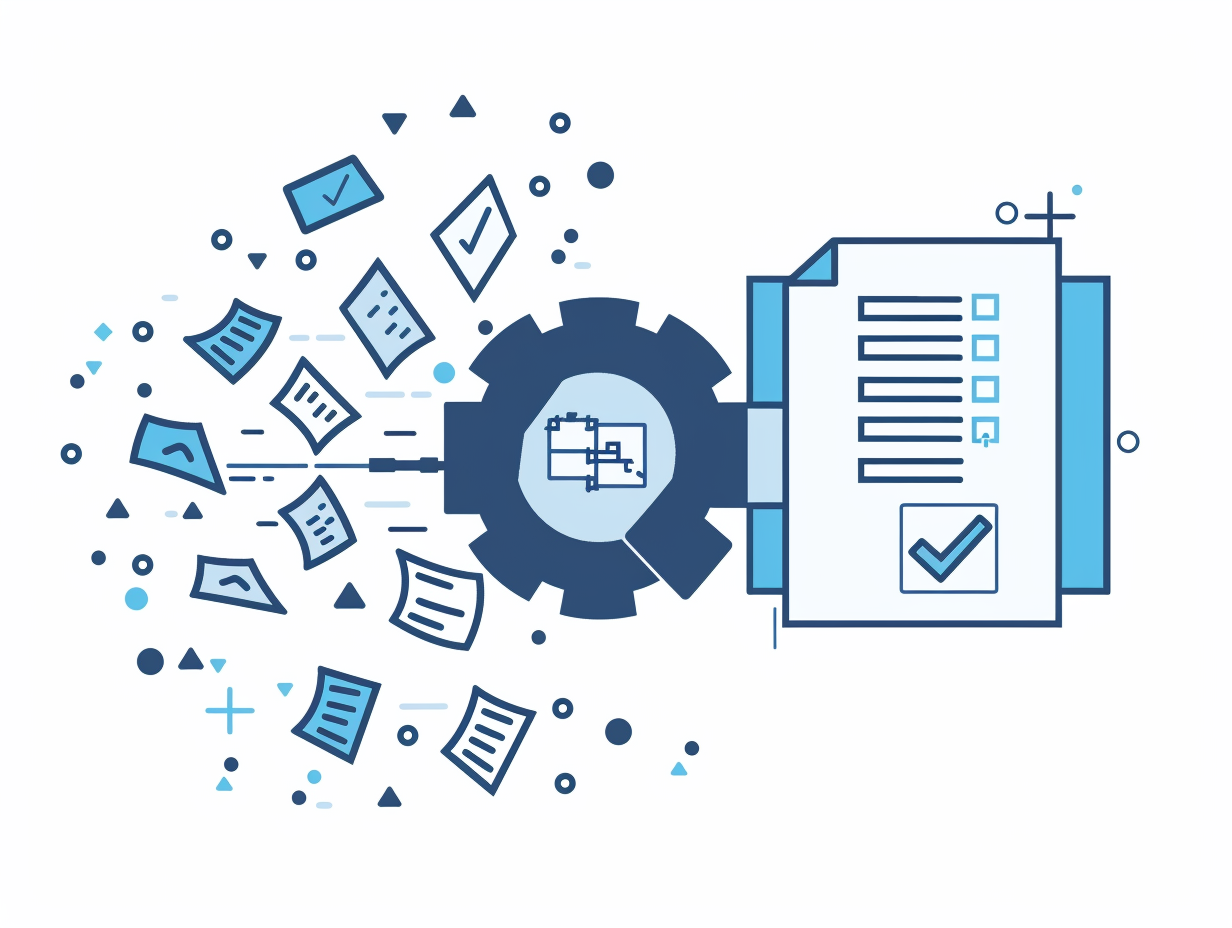
Defined scope, measurable KPIs, structured escalation paths
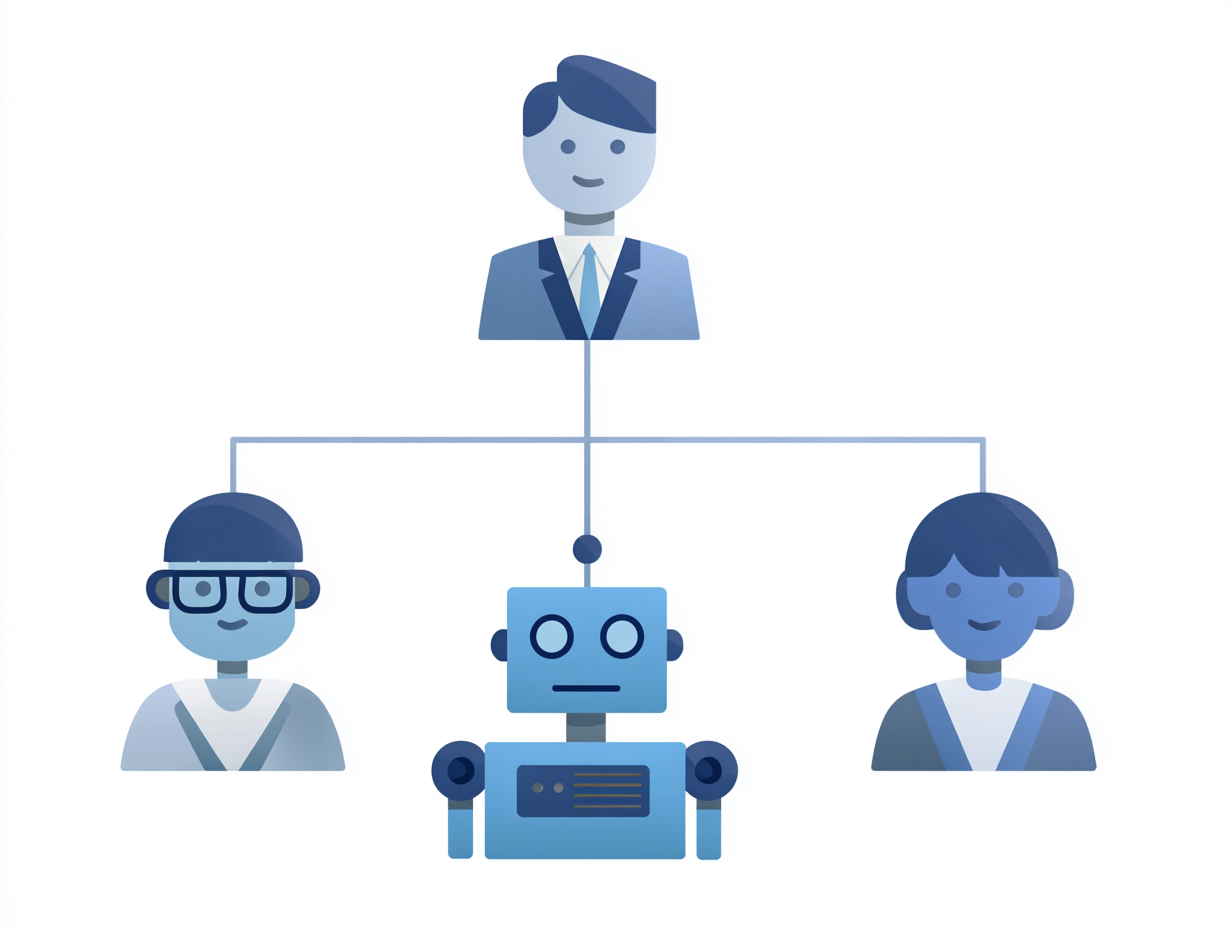
Sits in the org chart with accountability — not floating in IT
Takes repetitive execution off your team's plate, not adds dashboards
Watch our in-depth video or read our full article about what AI Workers are.
Automation removes steps. AI Workers remove workload.
| Traditional Automation | AI Workers | |
|---|---|---|
| Logic | Fully rule-based: if X then Y | Hybrid — rules for the predictable, contextual reasoning for the rest |
| Edge cases | Breaks, errors out, or blindly escalates everything | Interprets context, handles what it can, escalates what it should |
| Scope | Task-focused — one step in a chain | Outcome-focused — owns a responsibility end to end |
| Adaptability | Static until someone rebuilds the workflow | Adjustable within defined boundaries as conditions change |
| Oversight | All-or-nothing: runs unsupervised or not at all | Human-in-the-loop at configurable checkpoints |
| Failure mode | Silent failure — errors surface downstream | Flagged failure — issues surface at the point of occurrence |
AI Workers use agentic capabilities, but don't limit themselves to it.
The bottom line: Agentic AI is a capability. An AI Worker is a deployment model. We use agentic reasoning where it adds value — inside a structure designed for accountability, not autonomy for its own sake.
Every AI Worker is built in layers — but what matters is what those layers do for your team.
The process layer orchestrates existing workflows. No rip-and-replace. Your operations keep running — the AI Worker plugs into the seams.
The intelligence layer interprets context so exceptions don't pile up in someone's inbox or fall through the cracks.
The data layer integrates with your organization's current data sources — whether it is your ERP, or SharePoint files.
The interface layer puts human oversight where it matters — approvals, reviews, escalations. Every action is logged and auditable.
AI Workers should not be "floating systems." They need the same structural clarity you'd give any new hire — a role, a department, a reporting line, and measurable KPIs.
The AI Worker reports into the same structure as its human counterparts.
A clear title and job description, just like a human hire
It supports a specific team — not "the company"
A named manager who oversees output and performance
Cycle time, error rate, throughput, cost per transaction
This creates accountability and clarity. Managers manage capacity — human and digital.
AI Workers convert fixed headcount cost growth into scalable digital capacity. Most deployments see payback within 3–6 months.
Get a Custom ROI Estimate →
Buying AI software isn't the same as deploying AI Workers. Off-the-shelf tools support execution — they rarely define roles on their own. Consider data integration, governance, long-term control, and dependency risk.
Clarity of design matters more than the tool.
AI Workers include defined escalation paths, human-in-the-loop checkpoints, full audit logs, and version-controlled updates. Every action is logged. Every decision is reviewable.
More traceable than most manual processes.
We build AI Workers on low-code platforms — primarily the Microsoft ecosystem — so they're accessible, auditable, and maintainable by teams that don't have deep engineering backgrounds. What happens after deployment is a choice, not a constraint.
All three models are built on the Microsoft ecosystem — Power Automate, Dataverse, Azure AI — so your existing IT team can always look under the hood, regardless of who owns the maintenance.
I've spent 15 years at the intersection of operations, AI, and execution. I led AI transformation work at McKinsey before it was mainstream, then built and operated automated production workflows as the founder of a VC-backed network of tech-enabled medical clinics. As a partner at Cylad Consulting, I specialized in delivering AI-enabled solutions inside complex organizations. Sterling North is where all of that converges — I design and deploy AI Workers scoped to real bottlenecks, built for production, and measured on results.
No noise. No product updates. Just Philippe's read on where work is heading and what it means for how organizations need to operate.
Bi-weekly. Unsubscribe anytime.